
ADU & Full House Remodel
Historic Denver Home
A historic home working against itself
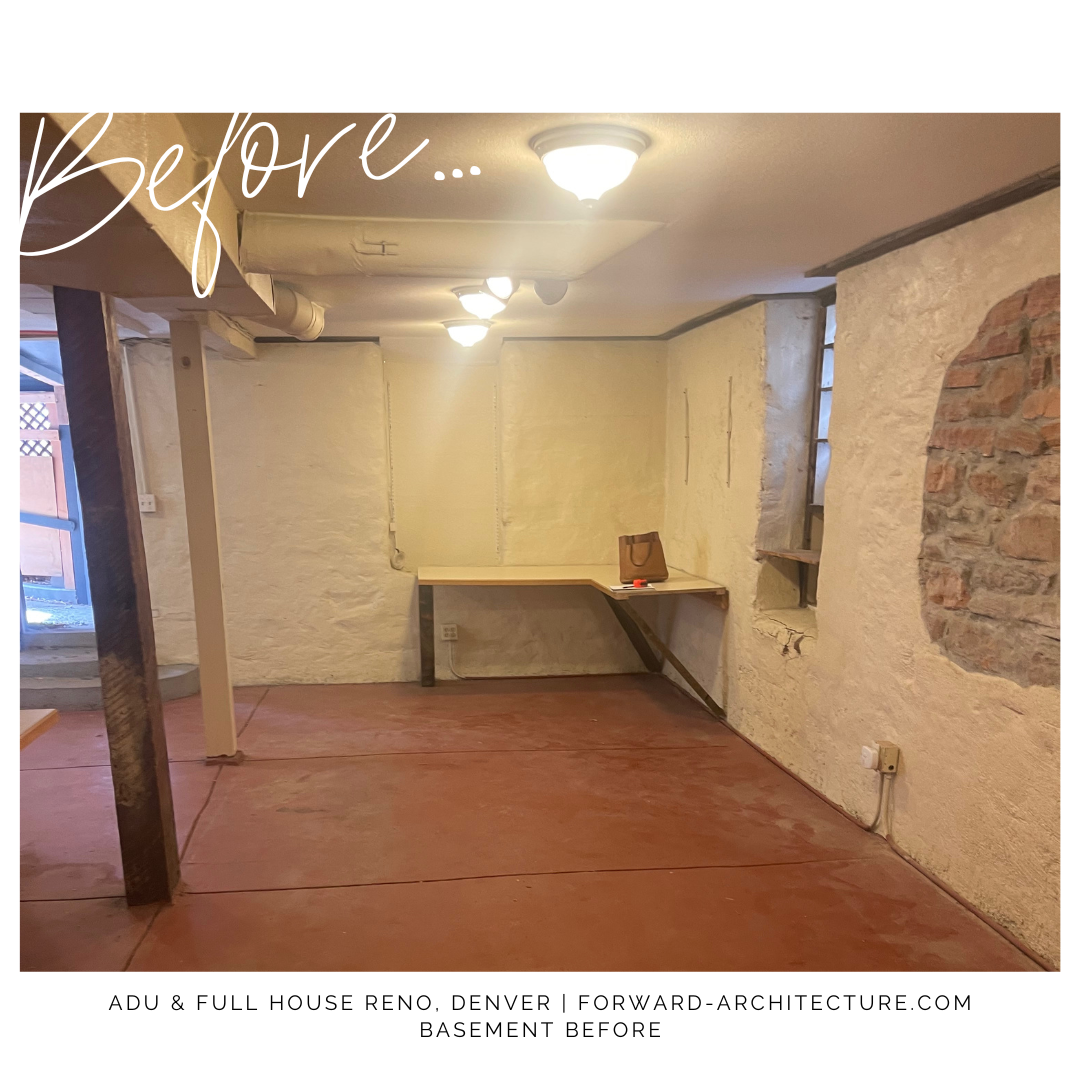
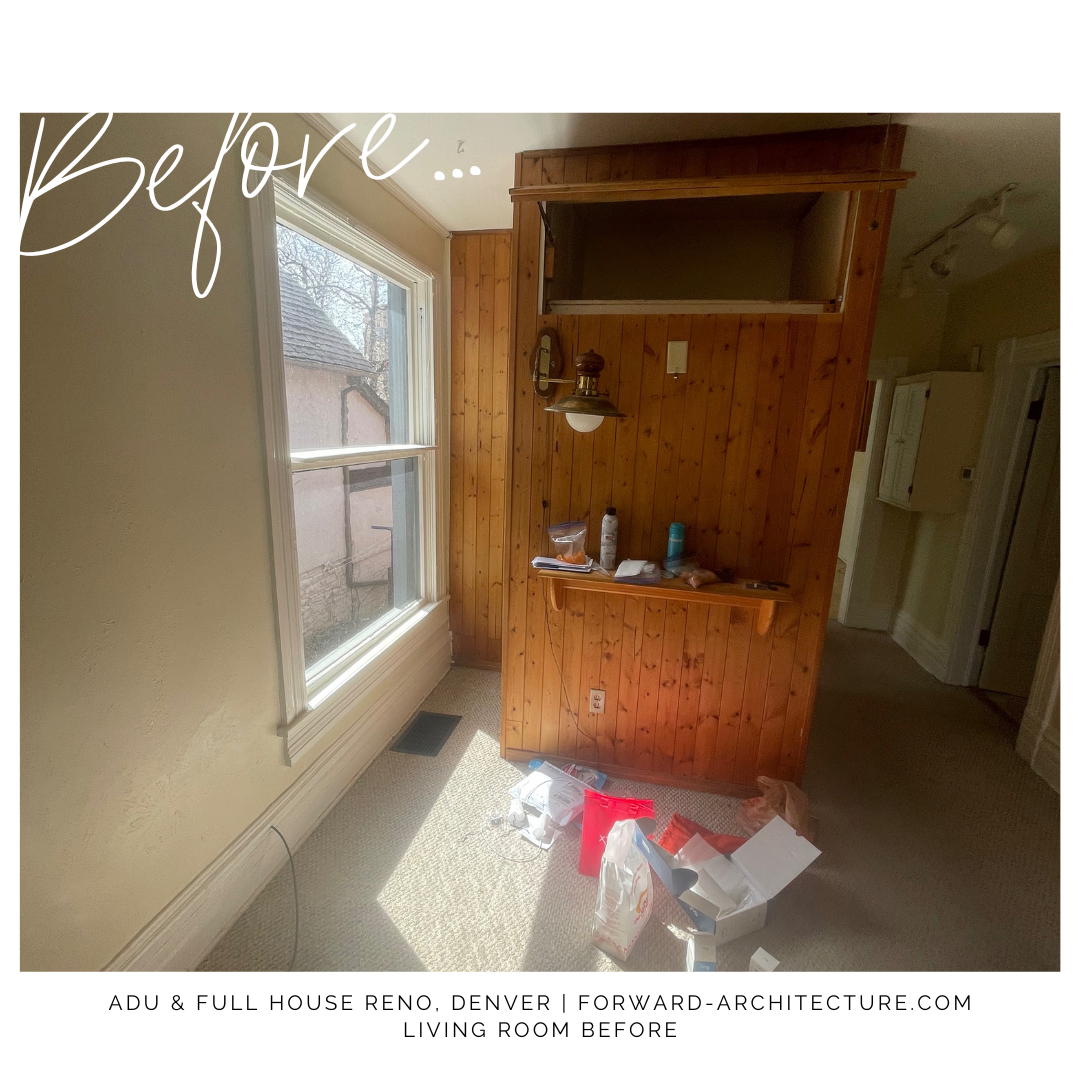
Built in 1890, this Denver home had history worth saving and a layout that made it hard to live in. A sagging, poorly built rear addition was causing structural damage. The floor plan was stranger still — the bathroom shower sat practically center stage in the living room. And the basement, accessed under the deck, was dark and so low at the entrance you had to duck before you could open the door.
The owner wanted two things from it: a revitalized home he could live in, and a basement that could earn its keep as a rental.
Share this Project
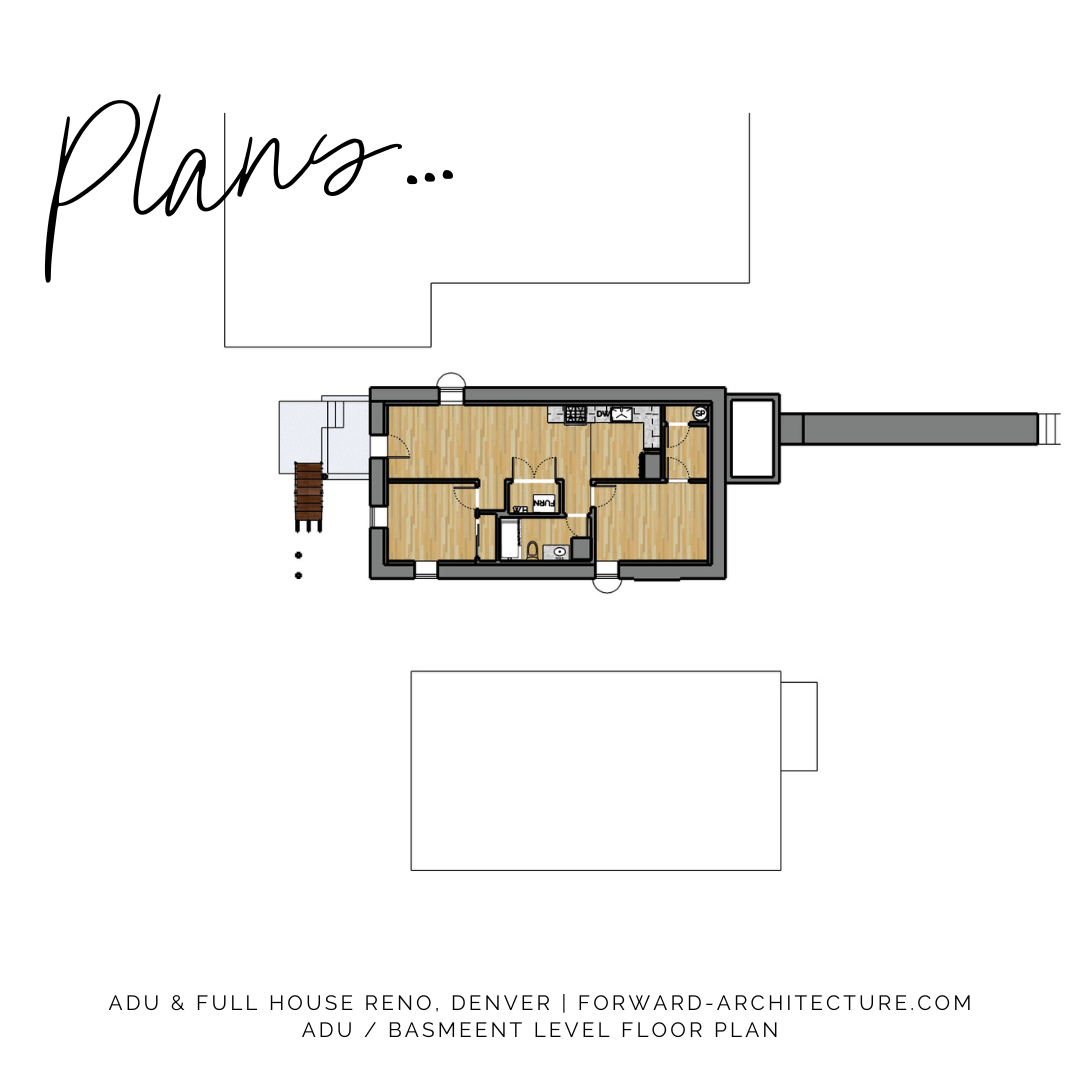
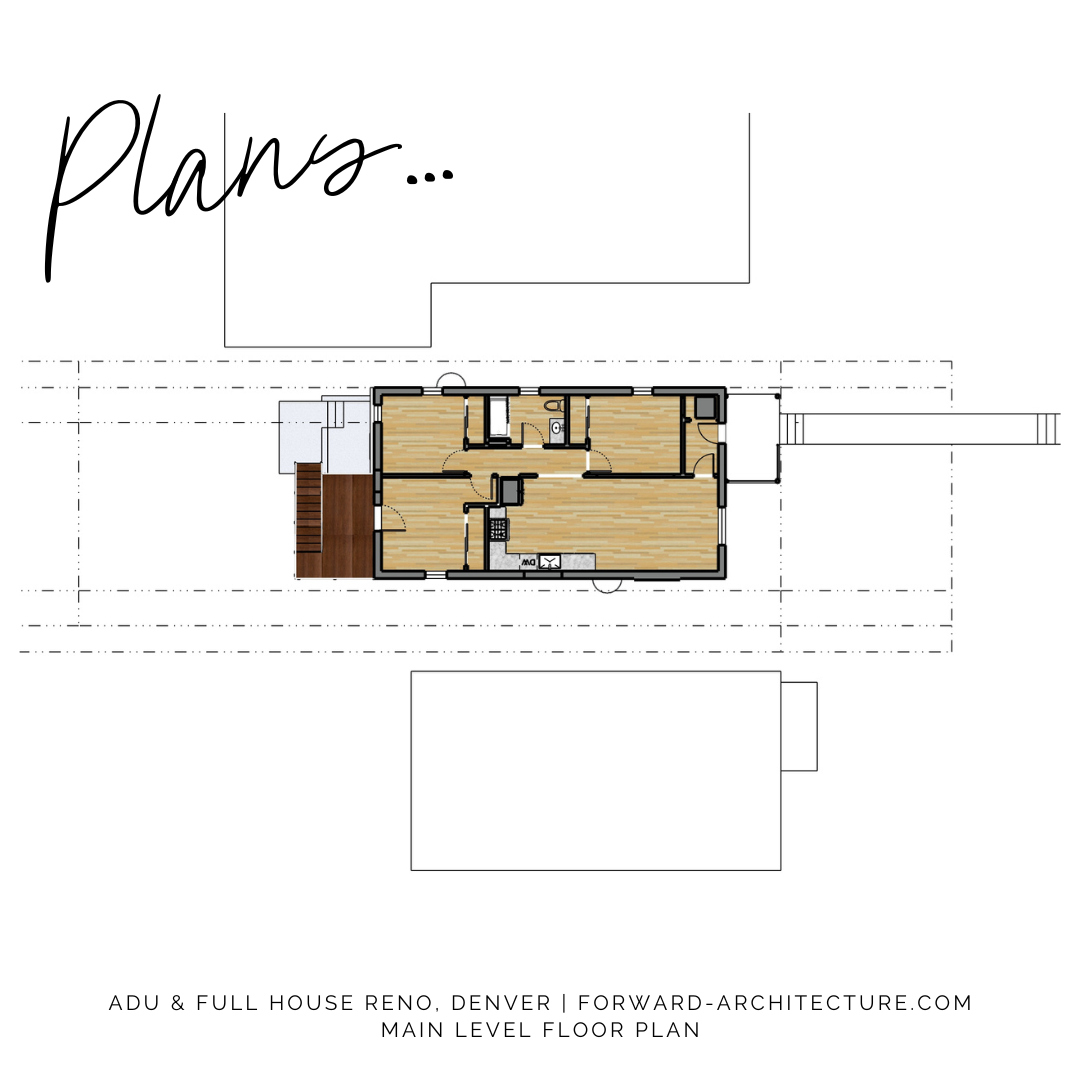
A plan for every floor
We started by defining what each floor needed to do — what to keep, what to change, in both layout and finishes. On the main level, that meant pulling the bathroom out of the living room and relocating it where it belonged, between the bedrooms, then opening a new kitchen off the living room so the heart of the house finally flowed.
The harder problem was below. The basement had to absorb a complete, independent dwelling — two bedrooms, a bath, a kitchen, and a small living room — plus all the mechanical equipment the building needed, inside a tight, dark, low-clearance space. Every square foot was planned to do double duty, maximizing the livable area while holding construction costs down. The rear was reworked too: the failing addition replaced and a porch and patio designed to make the back of the house function as well as the front.
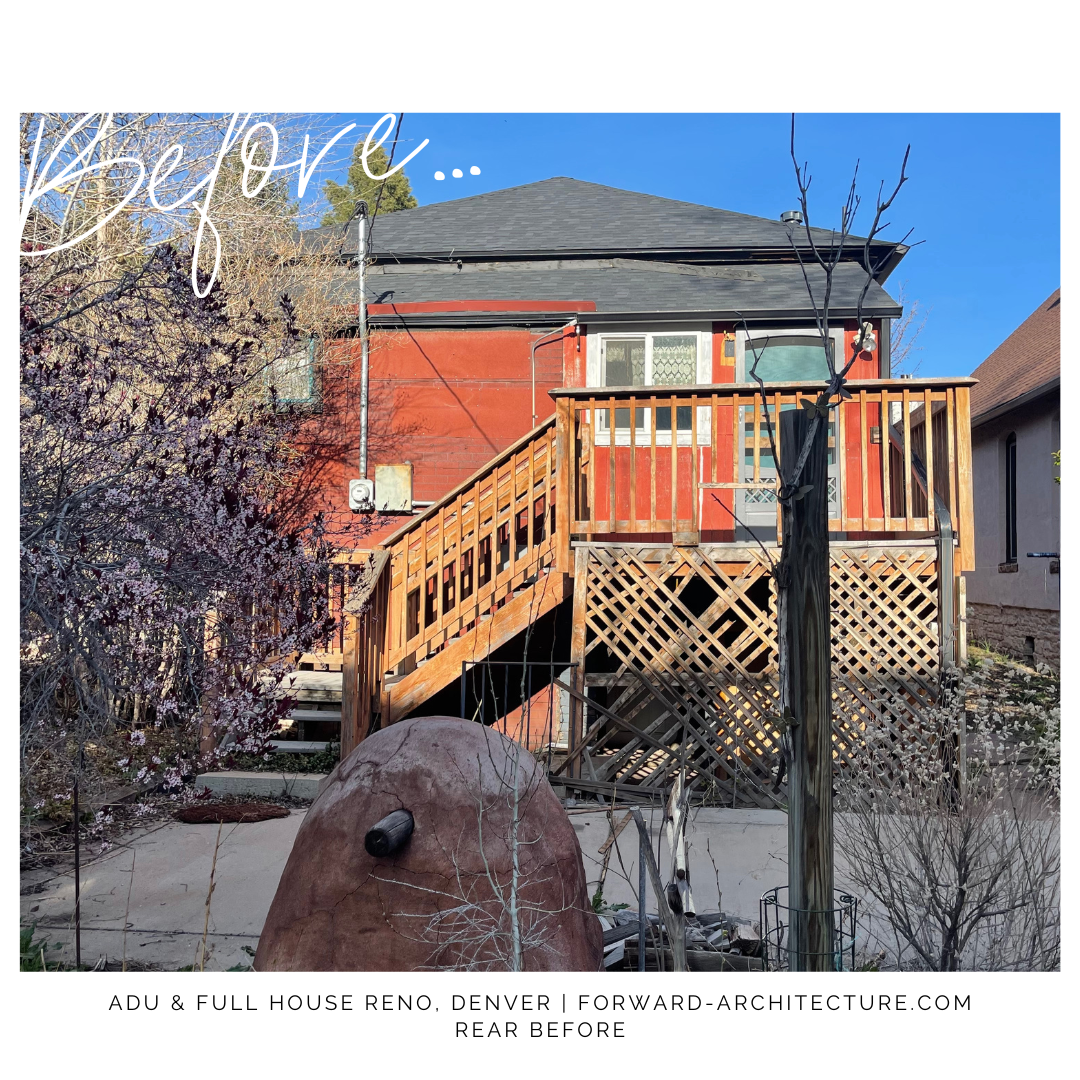
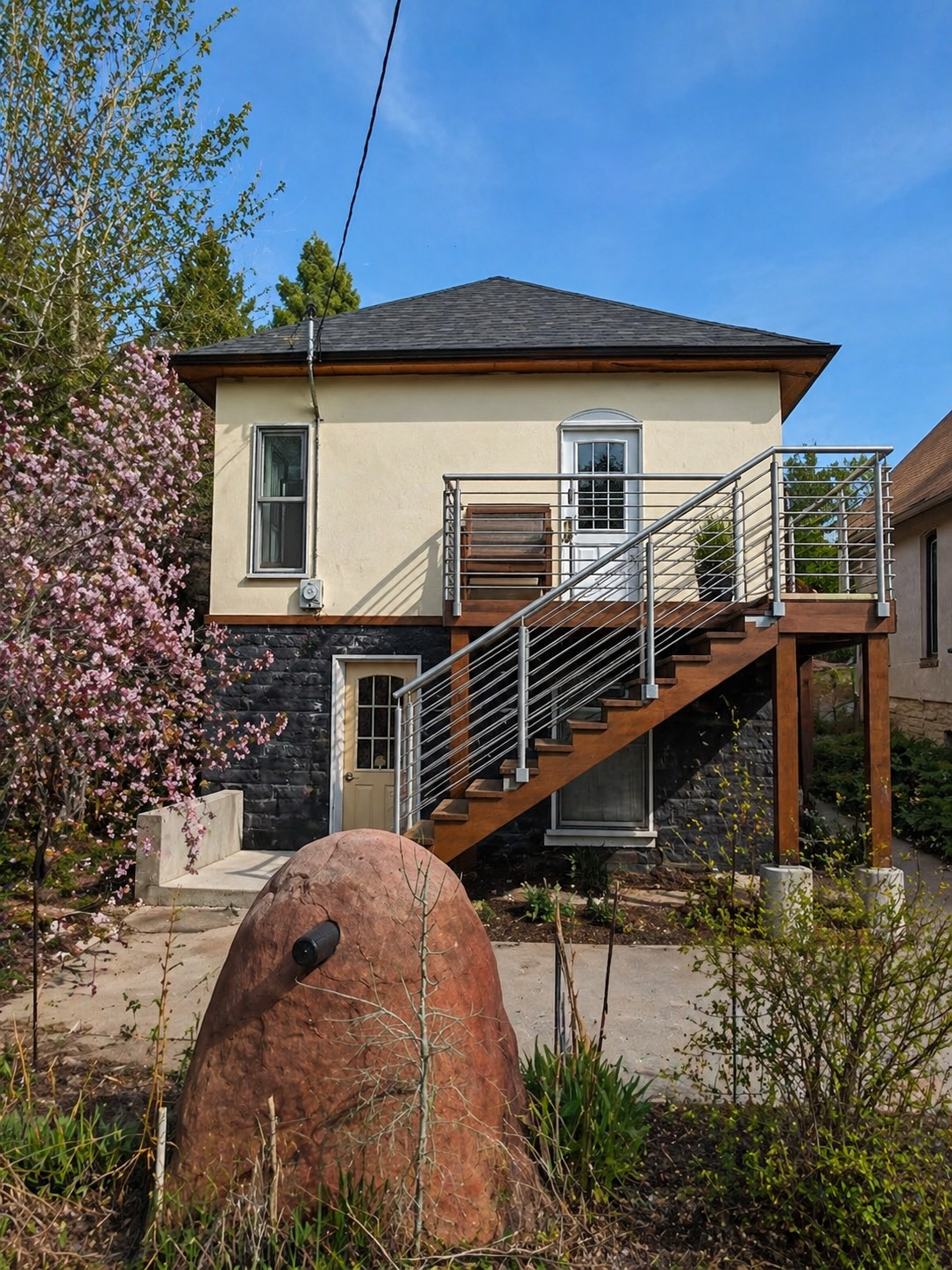
A revitalized home, with income built in
The vision was a home with two lives under one historic roof: the owner living on the main level, the basement ADU rented out for income, and the 1890s character preserved on the exterior throughout. An economical, considered remodel built to revitalize the home and make the most of the whole property.
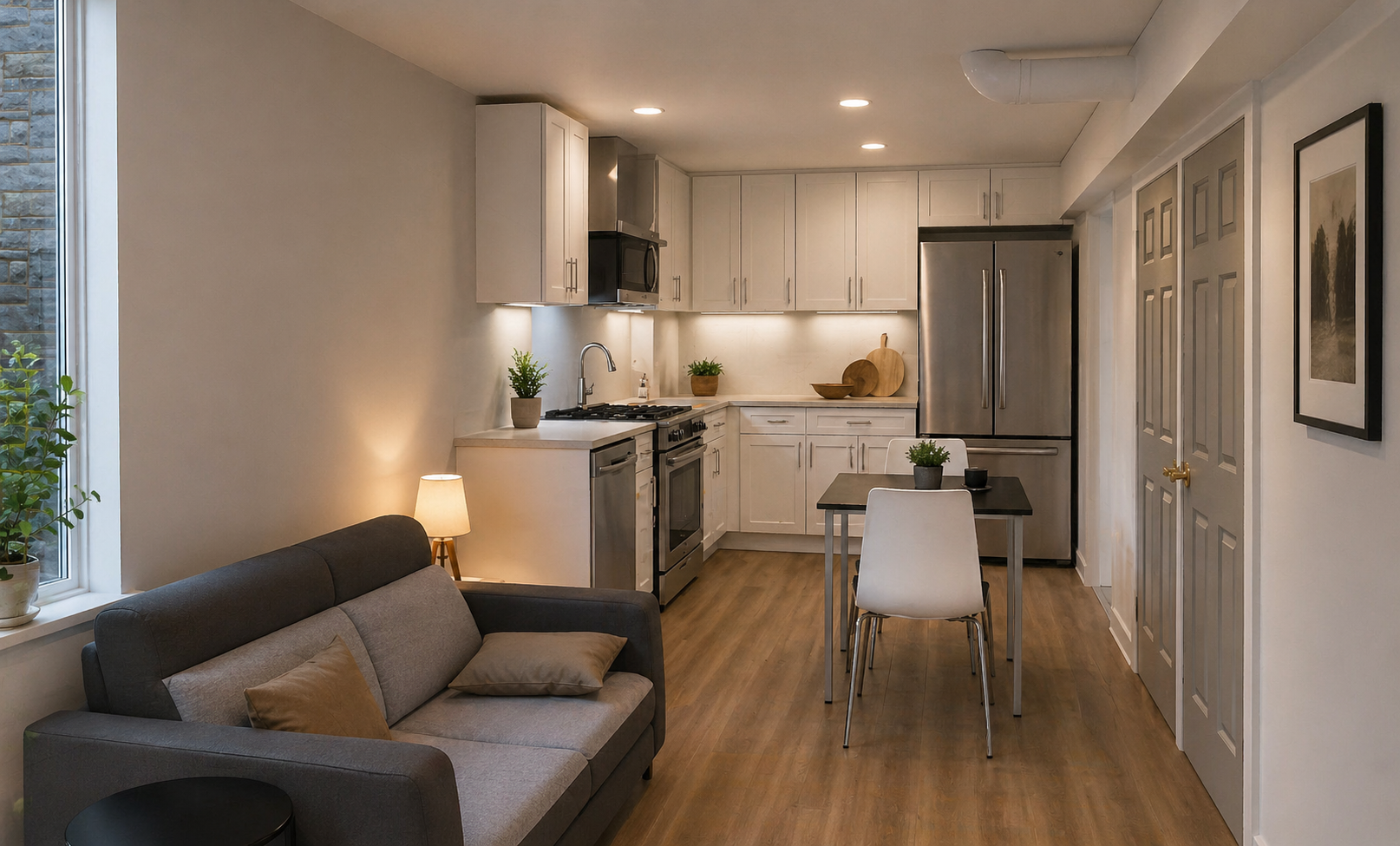
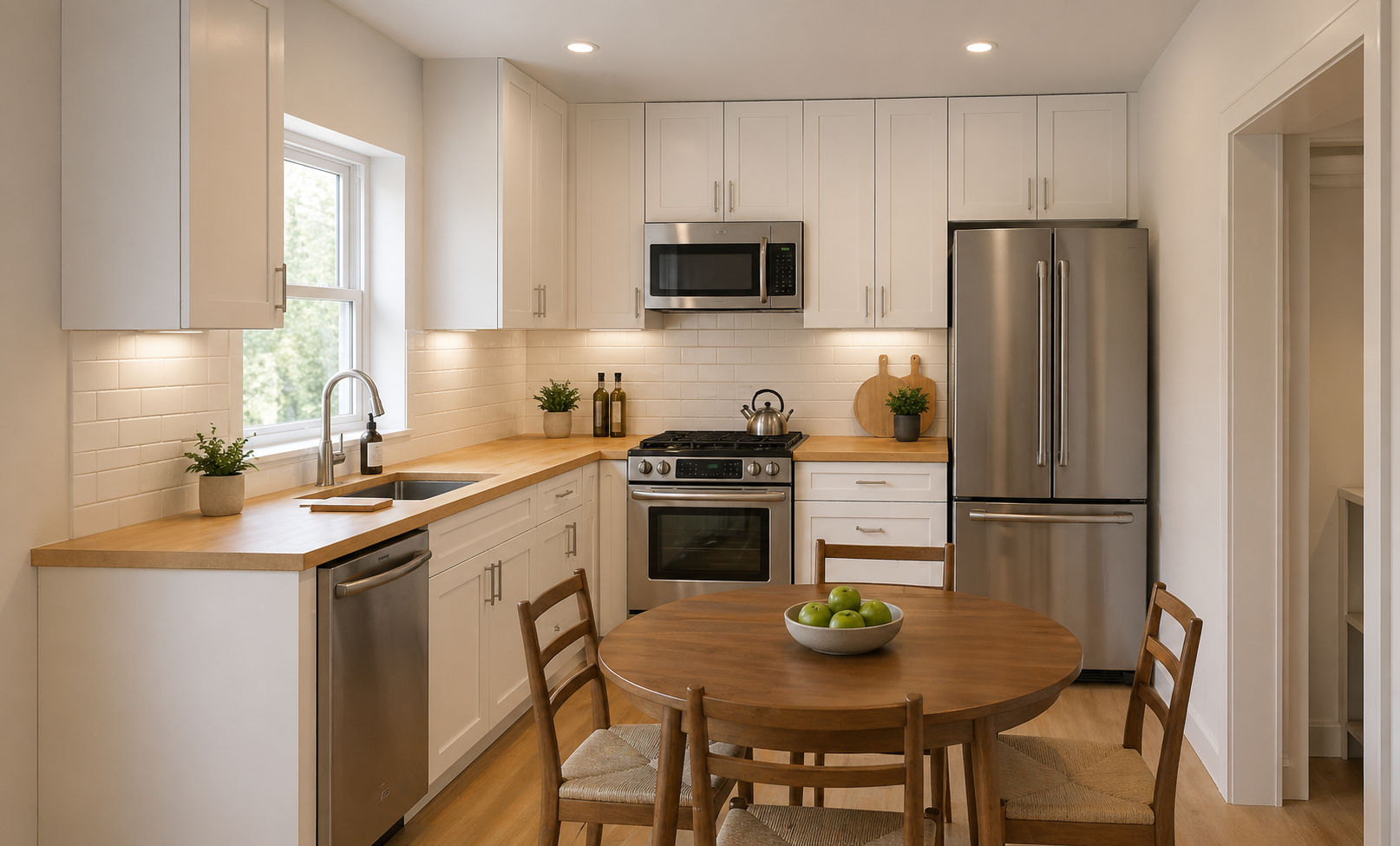
How it stands today
The design made it all the way through permitting — drawn, approved, and ready to build. But getting there took time, and over the months of the permitting process construction costs climbed sharply. With final numbers in hand, the owner made the call to pause construction for a later date.
He loved the design; the timing of the market simply moved. What's shown here is that design — a permit-ready plan for an 1890 home that honors its past, works far harder than the original ever did, and is ready to build when the moment is right.